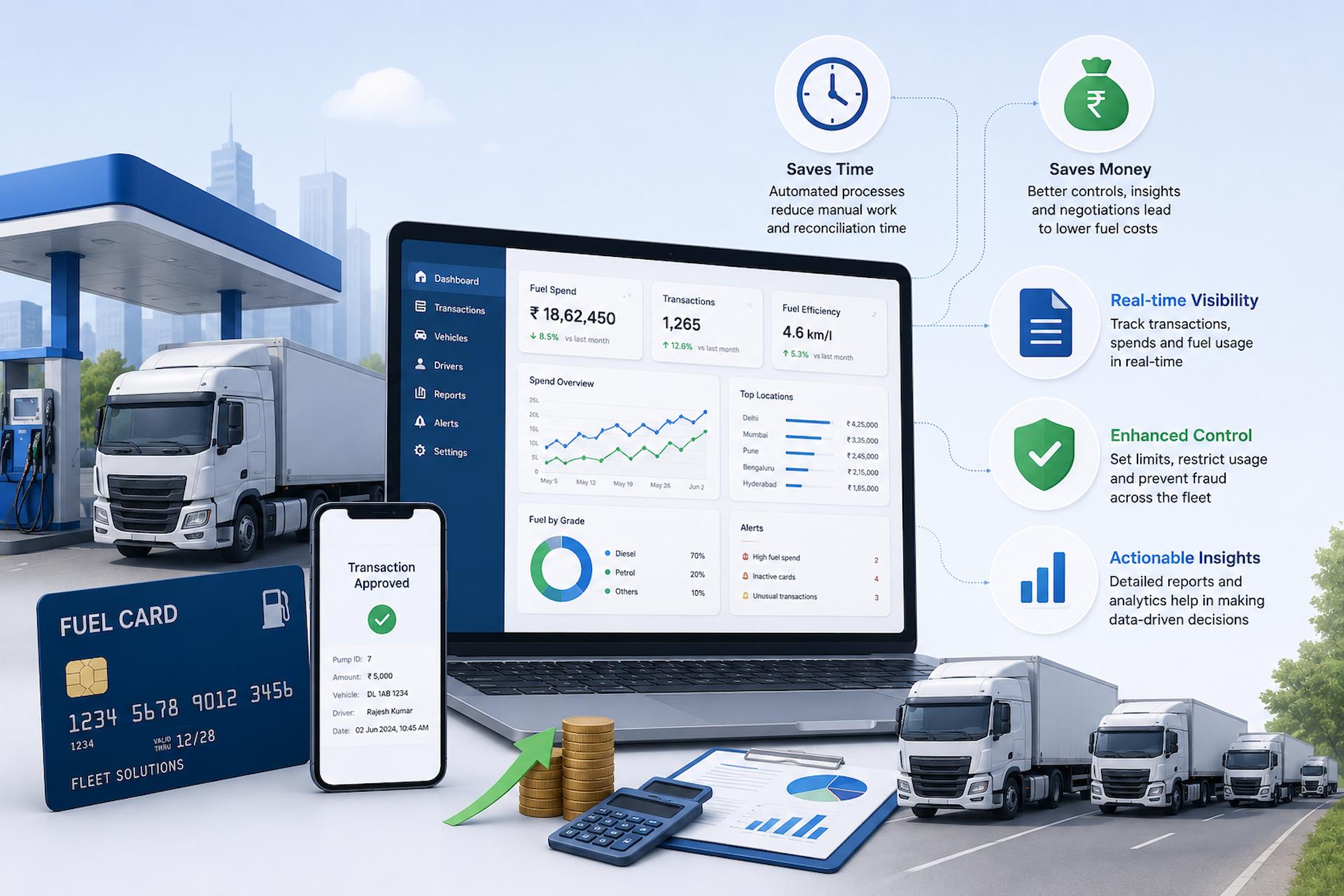
Fuel costs represent one of the largest operational expenses for fleet-based businesses. Whether managing a handful of vehicles or a nationwide transport operation, fleet managers face constant pressure to control spending, improve efficiency, and maintain accurate records. Traditional methods of tracking fuel purchases often involve manual receipt collection, expense reconciliation, and lengthy administrative processes that consume valuable time. Modern technology has transformed this area of fleet management, allowing businesses to streamline fuel-related tasks while gaining greater visibility into spending patterns and vehicle performance.
Overview
One of the most effective tools available today is a fuel card processing platform. These systems simplify the way fuel transactions are recorded, authorised, analysed, and reported. By replacing paper-based processes with automated digital workflows, businesses can reduce administrative burdens, improve cost control, and make more informed decisions. As fuel prices continue to fluctuate, having accurate and real-time insights into fuel expenditure has become increasingly valuable for organisations seeking operational efficiency.
Understanding Fuel Card Processing Platforms
Fuel card processing platforms are specialised software solutions that manage fuel card transactions across a fleet. They collect transaction data from participating fuel stations and convert it into actionable information that fleet managers can access through a centralised dashboard.
Rather than manually checking receipts and matching expenses to individual drivers, businesses can rely on a fuel card processing platform to automatically capture and organise transaction details. Information such as fuel type, purchase location, transaction value, vehicle identification, and driver activity can be tracked in a single system.
This level of automation reduces paperwork and provides a clearer picture of fleet fuel consumption.
How Fuel Card Platforms Reduce Administrative Work
Administrative efficiency is one of the primary reasons companies adopt fuel card technology.
Automated Data Collection
Every fuel purchase is recorded automatically. Fleet managers no longer need to chase missing receipts or manually enter transaction data into spreadsheets.
Simplified Expense Reporting
Transactions are consolidated into detailed reports, making it easier to review spending and identify trends across the fleet.
Faster Invoice Management
Instead of processing multiple fuel receipts from different suppliers, businesses often receive consolidated invoices that simplify accounting procedures.
Reduced Human Error
Manual data entry can lead to mistakes that affect reporting accuracy. Automated systems significantly reduce these risks.
Better Visibility Into Fuel Spending
One of the greatest advantages of modern fleet management technology is improved transparency.
Fleet managers can monitor fuel expenditure across vehicles, drivers, routes, and locations. This visibility helps identify inefficiencies before they become costly problems.
Key Insights Often Available
- Fuel consumption by vehicle
- Driver spending patterns
- Average fuel costs
- Fuel station usage trends
- Transaction history
- Mileage reporting
Having access to accurate information supports more strategic decision-making and stronger budget control.
Strengthening Cost Control
Fuel expenses can quickly escalate without proper oversight. Fuel card platforms help businesses establish tighter controls over spending.
Spending Limits
Managers can set purchase limits for individual drivers or vehicles, helping prevent unauthorised transactions.
Fuel Type Restrictions
Cards can often be configured to allow only approved fuel types, reducing misuse and accidental purchases.
Real-Time Monitoring
Many systems provide near real-time transaction updates, allowing unusual activity to be detected quickly.
These controls contribute to improved financial management and reduced fuel waste.
Supporting Fraud Prevention
Fraud and misuse remain concerns for many fleet operators. Fuel card processing technology includes several features that help protect business resources.
Common Security Features
- Driver identification requirements
- PIN-protected transactions
- Purchase alerts
- Transaction monitoring
- Usage restrictions
- Suspicious activity notifications
By identifying unusual behaviour early, businesses can minimise financial losses and maintain stronger accountability across their fleet operations.
Improving Fleet Performance
Fuel management is closely linked to overall fleet efficiency. The data generated by fuel card platforms can reveal opportunities for operational improvements.
Identifying Inefficient Vehicles
Vehicles with unusually high fuel consumption may require maintenance or replacement.
Monitoring Driver Behaviour
Harsh acceleration, excessive idling, and inefficient driving habits can contribute to increased fuel costs.
Route Optimisation
Transaction and mileage data can help businesses evaluate routes and identify opportunities to reduce unnecessary travel.
Over time, these insights contribute to lower operating costs and improved productivity.
Compliance and Record Keeping Benefits
Fleet operators must often maintain detailed records for tax reporting, audits, and regulatory compliance.
Fuel card platforms simplify this process by creating organised digital records that are easy to retrieve when required.
Compliance Advantages
- Centralised transaction records
- Simplified VAT reporting
- Accurate mileage documentation
- Improved audit readiness
- Consistent financial reporting
These benefits help businesses save time while reducing the risk of missing important documentation.
Features to Look for in a Platform
Not all platforms offer the same capabilities. Selecting the right solution requires careful evaluation of business needs.
Important Features to Consider
- Real-time reporting dashboards
- Mobile app access
- Custom spending controls
- Integration with fleet management software
- Detailed analytics
- Multi-user access permissions
Businesses that choose a platform aligned with their operational requirements are more likely to achieve meaningful long-term savings.
Why Fuel Card Platforms Deliver Long-Term Value
The value of fuel card technology extends beyond immediate administrative improvements. By combining transaction automation, spending controls, reporting tools, and performance insights, these systems create a more efficient approach to fleet management.
Organisations often find that savings come from multiple areas rather than a single source. Reduced paperwork, lower fuel misuse, improved route planning, enhanced driver accountability, and stronger financial oversight all contribute to measurable operational benefits.
As fleets grow, these efficiencies become increasingly important. What may save a few hours each month for a small fleet can translate into substantial cost reductions for larger operations.
Smarter Fleet Operations
Fuel card processing platforms have become valuable tools for businesses seeking greater control over fleet expenses and operational performance. By automating fuel transaction management, improving visibility, reducing administrative workloads, and supporting compliance, these systems help organisations operate more efficiently. The ability to monitor spending, identify inefficiencies, and strengthen accountability delivers benefits that extend well beyond fuel purchasing alone. For fleet managers focused on saving time and controlling costs, adopting modern fuel management technology can provide lasting advantages that support both financial stability and operational success.