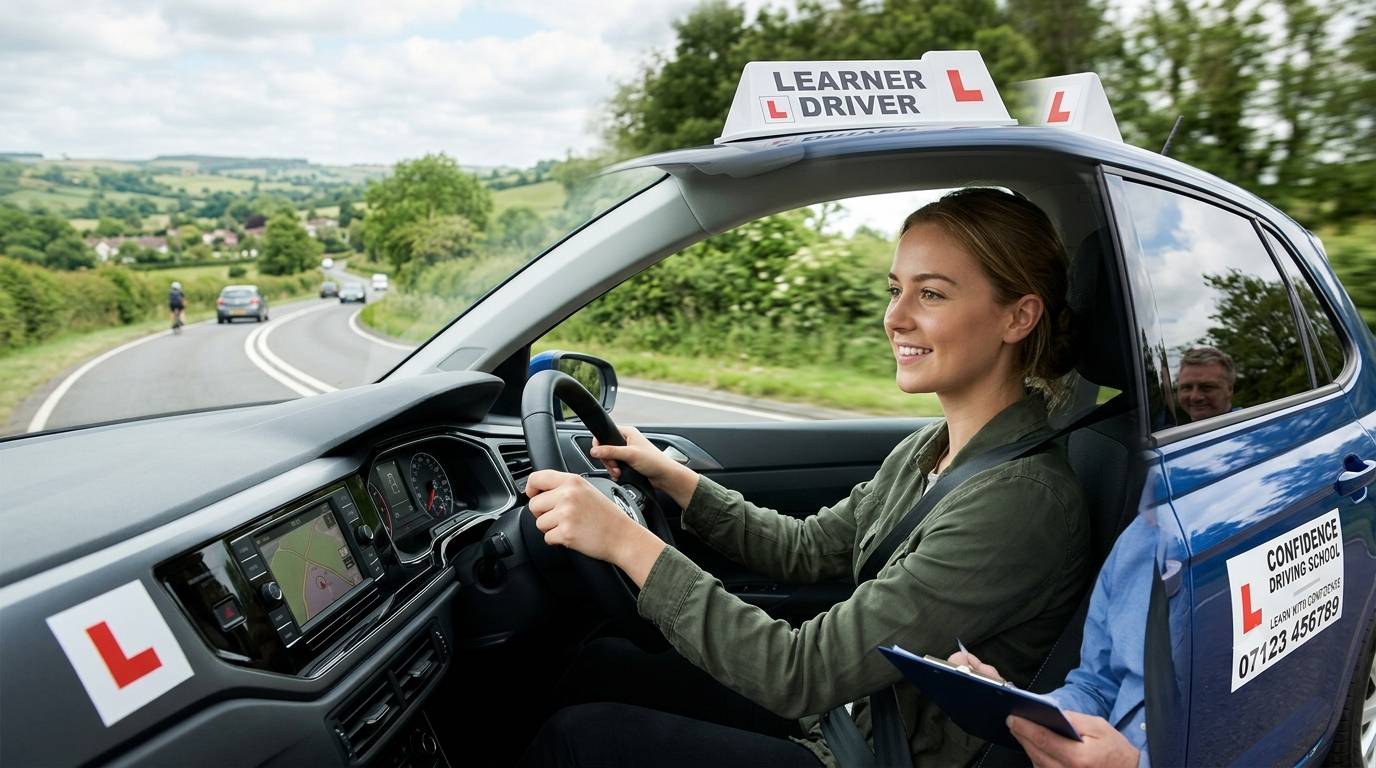
Learning to drive is about much more than passing a practical test. Building confidence, developing good habits and gaining experience in different situations all contribute to becoming a safer driver for years to come.
Choosing the right instructor and lesson plan is an important first step. Many learners begin by researching driving lessons in Bury St Edmunds before comparing instructors, lesson styles and availability to find an approach that suits their learning style.
Focus on Consistency Rather Than Speed
Everyone learns at a different pace, so comparing your progress with friends or family is rarely helpful. Some learners quickly grasp vehicle control, while others need more time to feel comfortable with manoeuvres or busy roads.
Regular lessons often produce better results than trying to fit everything into a short period. Consistency allows new skills to become second nature and helps build confidence gradually without feeling overwhelmed.
Outside lessons, revising the Highway Code and reflecting on previous drives can also reinforce what you’ve learned.
Learn From Mistakes Instead of Fearing Them
Making mistakes during lessons is completely normal. In fact, they are one of the most valuable parts of learning because they provide opportunities to improve in a controlled environment.
Rather than focusing on getting everything right first time, try to understand why something happened. Whether it’s approaching a roundabout too quickly or forgetting a mirror check, identifying the cause makes it easier to avoid repeating the same error.
A calm approach helps learners stay relaxed and absorb feedback more effectively.
Experience a Variety of Road Conditions
Driving on quiet residential streets is only one part of becoming a capable driver. As confidence grows, it’s beneficial to experience different environments, including dual carriageways, country roads, town centres and areas with heavier traffic.
Weather conditions also play an important role. Rain, low sun and darker evenings all affect visibility and stopping distances. Experiencing these situations with an instructor provides valuable preparation before driving independently.
The wider your experience during lessons, the more adaptable you’ll become once you’ve passed your test.
Build Good Observation Habits Early
Observation is one of the most important skills any driver can develop. Regular mirror checks, anticipating hazards and reading the road ahead all contribute to safer decision making.
Instead of reacting at the last moment, experienced drivers constantly scan their surroundings. This allows more time to respond to pedestrians, cyclists, changing traffic lights and unexpected events.
Developing these habits during lessons means they become automatic over time.
Remember That Passing the Test Is Only the Beginning
Receiving a full driving licence is an important milestone, but learning continues long afterwards. Every journey brings new situations and opportunities to improve.
New drivers can continue building experience by driving familiar routes first before gradually taking on longer journeys, unfamiliar roads and different weather conditions. Planning routes in advance and avoiding unnecessary distractions also helps build confidence during the first few months of independent driving.
Safe driving comes from continuous learning rather than assuming the process ends on test day.
Confidence behind the wheel isn’t built overnight. It develops through regular practice, constructive feedback and experience in a wide range of driving situations. By focusing on steady progress, learning from mistakes and developing strong observation skills, learners give themselves the best chance of becoming safe, capable drivers long after they’ve passed their test.