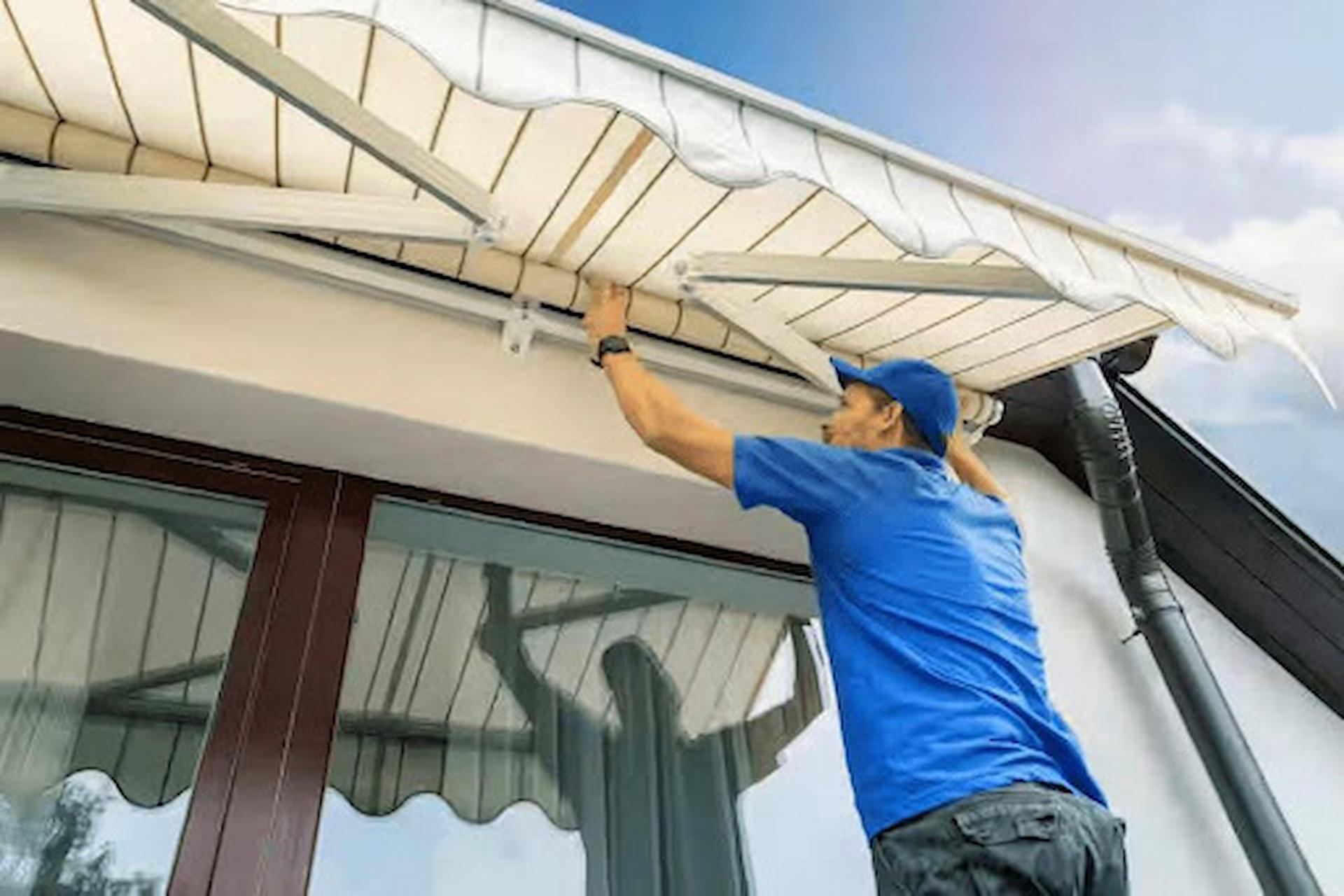
Awnings are a fantastic addition to any outdoor space, offering shade, protection, and style. However, choosing the right material is key to ensuring they last through all seasons. Whether you’re looking for an all-weather solution or something more specific, the right choice will protect your space and enhance its appeal for years. Let’s explore how to make the best choice.
When enhancing your outdoor living space, few additions provide as much value and versatility as awnings. They shield your patio or garden from harsh sunlight, light rain, and even provide privacy while adding a stylish touch to your home. However, not all awnings are created equal, and the longevity of your investment depends largely on the materials you choose. From weather resistance to ease of maintenance, here’s how to choose the right materials for durable, all-season awnings.
Why Material Matters for Awnings
Awnings are exposed to the elements year-round, so the material you choose determines how well it will perform under harsh conditions. A durable material can stand up to sun, rain, wind, and even snow, maintaining its functionality and appearance for years to come. Whether you’re selecting all weather patio awnings or a decorative shade solution, the material plays a crucial role in ensuring your awning delivers both protection and style over time.
Types of Materials for Awnings
1. Fabric Awnings
Fabric awnings are popular for their aesthetic appeal and flexibility. They are available in various fabrics, including acrylic, polyester, and canvas.
- Acrylic Fabric: One of the top choices for all weather patio awnings, acrylic is resistant to fading, water, and mildew. It offers excellent UV protection, making it ideal for sun-drenched areas.
- Polyester: Known for its lightweight properties, polyester is a budget-friendly option. While it’s water-resistant, it’s best suited for mild weather conditions.
- Canvas: Canvas is thick and durable, often used for traditional-style awnings. It’s breathable, which helps with air circulation, but may require more frequent cleaning to maintain its look.
2. Metal Awnings
If you’re looking for an option with long-term durability, metal awnings might be the right choice for you. Made from materials like aluminum or steel, metal awnings can withstand harsh weather conditions and require minimal maintenance.
- Aluminum: Lightweight and resistant to rust, aluminum is a great option for both modern and traditional homes. It offers solid protection against rain and sun without the risk of fading.
- Steel: Steel is a more robust and heavy-duty material, perfect for areas that experience high winds or harsh storms. However, it requires proper treatment to avoid rusting.
3. Polycarbonate Awnings
Polycarbonate awnings are highly durable and offer excellent impact resistance, making them ideal for areas that see heavy snow or storms. These awnings are clear, which allows natural light to filter through, providing a bright, open feel.
- UV Protection: Many polycarbonate awnings come with UV protection to block harmful rays while still allowing sunlight to shine through.
- Weather Resistance: Polycarbonate is resistant to cracking, yellowing, and fading, making it a great long-term option.
Factors to Consider When Choosing Awning Materials
1. Climate and Weather Conditions
Before selecting an awning material, consider the weather in your area. If you live in a region with heavy rainfall or snow, you’ll need a material that can handle moisture and snow loads. On the other hand, if your area is sunny and dry, UV resistance will be the key factor to consider.
2. Durability and Longevity
Durability is a crucial aspect when investing in awnings. Materials like aluminum and polycarbonate are highly durable, lasting for many years without much maintenance. Fabric options like acrylic also offer excellent longevity, but may require more care over time.
3. Maintenance Needs
Consider the level of maintenance each material requires. Fabric awnings may need more frequent cleaning and occasional re-treatment to keep them looking fresh. Metal and polycarbonate awnings, on the other hand, are much easier to maintain and can usually be cleaned with just water and mild soap.
4. Budget
Your budget will also play a role in your material choice. Fabric awnings tend to be more affordable, but metal and polycarbonate options often offer greater durability and require less upkeep, which might make them a better long-term investment.
Benefits of All-Weather Patio Awnings
An all-weather patio awning is designed to withstand the various elements, from rain to intense sun. It provides an ideal balance of protection and aesthetics, making it perfect for year-round outdoor enjoyment. By selecting materials like acrylic or polycarbonate, you’re ensuring your investment will pay off in both comfort and longevity.
Tips for Extending the Life of Your Awnings
- Regular Cleaning: Keep your awnings clean by removing dirt and debris regularly. This will help maintain the fabric and prevent staining or mildew growth.
- Protective Coatings: If you have fabric awnings, consider applying a water-repellent or UV-resistant coating to protect them from the elements.
- Storage During Off-Season: If you have retractable awnings, take advantage of the ability to store them during harsh weather. This can significantly extend their lifespan.
Closing Remarks
Choosing the right material for your awning is a crucial decision that impacts both its performance and longevity. Whether you opt for fabric, metal, or polycarbonate, the material you choose should align with your climate, maintenance preferences, and budget. Investing in durable materials, such as all-weather patio awnings, ensures that your outdoor space stays protected and stylish for years to come.