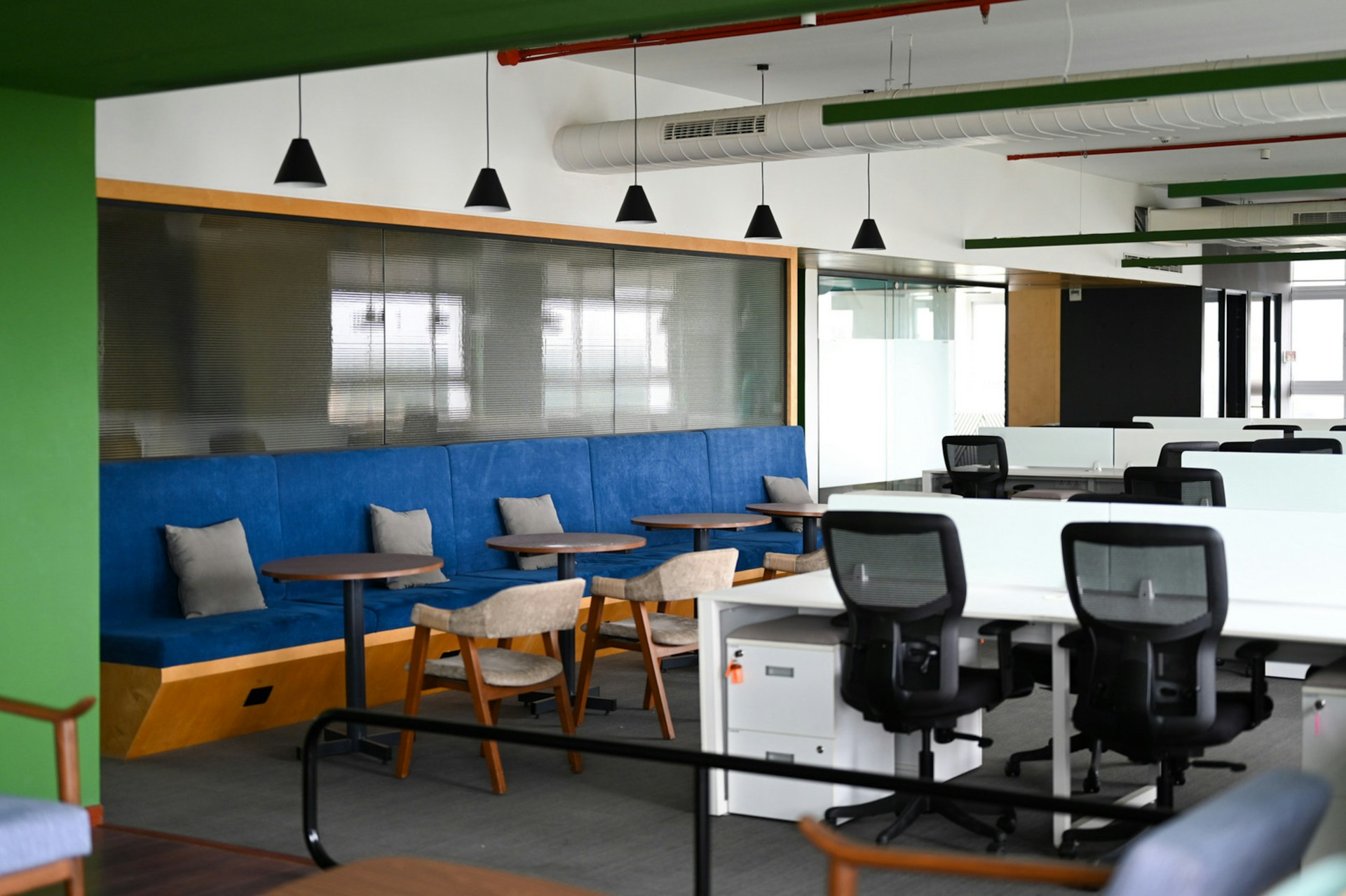
Modern work environments demand more than just a desk and a chair. As people spend longer hours working, seating has become an essential part of maintaining both comfort and efficiency. Ergonomic seating focuses on supporting the body in a natural position, helping reduce strain and improve the comfort with which daily tasks can be carried out. Many people now come across options like Slouch Online when looking to make their workspace more comfortable, focusing on chairs that are practical and easy to use for everyday work.
The need for better seating is closely linked to how work itself has changed. Whether working remotely or in a traditional office, extended periods of sitting can affect posture, concentration, and overall well-being. A supportive chair helps create a more stable routine, allowing work to continue without constant discomfort becoming a distraction.
Understanding Ergonomic Seating
Ergonomic seating is designed to support the body’s natural alignment while sitting. Unlike standard chairs, it emphasises adjustability, posture support, and long-term comfort. This approach helps reduce strain on key areas such as the lower back, neck, and shoulders, which are often affected by prolonged sitting.
Rather than restricting movement, ergonomic chairs encourage small, natural adjustments throughout the day. This helps maintain comfort without forcing the body into a rigid position. As a result, sitting feels more balanced and less tiring over time.
Why Modern Workspaces Require Better Support
Workspaces have become more flexible, with many people now working from home or adapting shared spaces for long hours at the desk. In many cases, these environments were not originally designed with extended sitting in mind. Basic chairs and temporary setups often lack the support needed to maintain comfort throughout the day.
This shift has made seating a more important consideration than before. When a chair supports the body properly, it becomes easier to maintain focus and reduce unnecessary strain. In some situations, Slouch Online is part of the broader context when people are looking for ways to improve everyday seating without complicating their setup.
Key Features That Make a Difference
Ergonomic office chairs include features that support both comfort and usability. Adjustable seat height allows the user to align their position with the desk, helping maintain a natural posture. Proper lumbar support helps preserve the natural curve of the spine, which reduces pressure on the lower back.
Flexible backrests allow the chair to respond to movement, providing consistent support throughout the day. Comfortable cushioning also helps distribute weight more evenly, reducing pressure on certain areas. Together, these features create a seating experience that supports extended periods of work without unnecessary discomfort.
The Impact on Productivity
Comfort and productivity are closely connected. When seating is uncomfortable, it becomes difficult to concentrate, and even simple tasks can feel more demanding. Frequent adjustments or the need to take breaks due to discomfort can interrupt workflow and reduce efficiency.
A supportive seating arrangement allows for a more consistent working rhythm. When physical distractions are reduced, it becomes easier to stay engaged with tasks and maintain focus. Over time, this can lead to improved productivity and a more balanced approach to work.
Supporting Long-Term Wellbeing
Ergonomic seating contributes not only to daily comfort but also to long-term well-being. Poor sitting habits can gradually lead to issues such as back pain, muscle tension, and fatigue. Chairs that support natural posture help minimise these risks by reducing strain on the body.
Maintaining a comfortable sitting position also supports better circulation and reduces stiffness. Over longer periods, these benefits help create a healthier working routine, making it easier to manage extended hours without physical discomfort becoming a concern.
Bringing Comfort and Function Together
Ergonomic seating is not just about short-term comfort. It is about creating a balance between support and usability that remains effective throughout the day. A chair that supports the body properly allows tasks to be completed with greater ease and less strain.
Over time, these small improvements can make a meaningful difference. A well-supported workspace helps establish a routine that feels more stable, comfortable, and easier to maintain. This balance between comfort and function plays an important role in supporting both productivity and overall well-being in modern work environments.